what non-music industry contributed significantly to the production of cowboy songs?
Music tin be very powerful. Out of all of the music made over the last 70 years, some songs were powerful enough to influence important political and cultural movements.
When enough people can relate to a song'due south bulletin and sound in a similar fashion, history's made and icons are born. Check out these thirty songs that have made a huge touch from the moment they commencement hit the airwaves.
Bill Haley, "Rock Around the Clock" (1954)
Nib Haley has the distinction of being the first musician to popularize rock and roll in the '50s. His band, Pecker Haley & His Comets, sold over 60 million records worldwide thanks to hits similar "Milk shake, Rattle and Roll" and "See You lot Later on, Alligator".
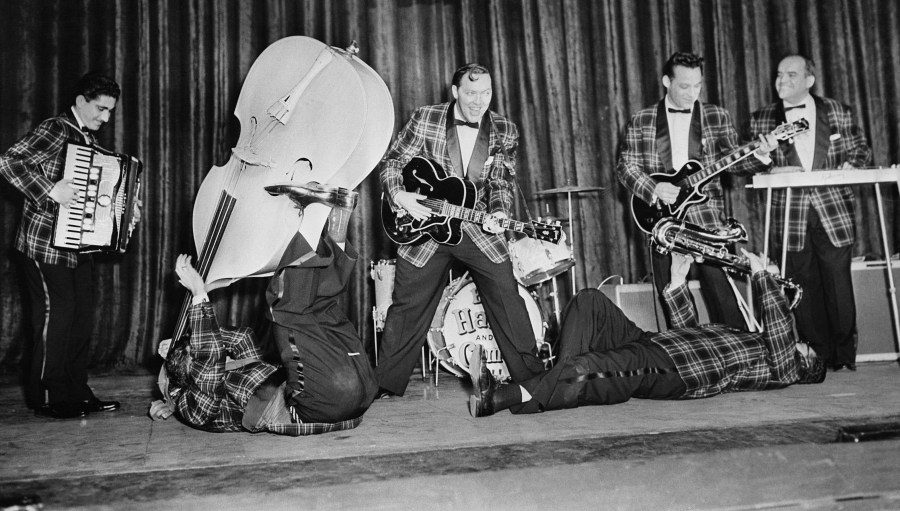
The song that gained the ring major popularity was "Stone Around the Clock". While information technology wasn't the get-go rock song to hitting the charts, it was anthemic for a growing trend of '50s rebellious youths. The song encouraged immature people to stay upwards late and party, which was controversial and revolutionary for its time.
Chuck Berry, "Johnny B. Goode" (1958)
Berry's 'Johnny B. Goode' told the story of a male child from New Orleans who grew up to atomic number 82 a rock band. In reality, Berry used "Johnny" to sing near his ain rebellious experiences as one of the world's get-go rock stars. It was the outset sense of taste of musicians singing about the extravagant lifestyle that accompanies famous singers.
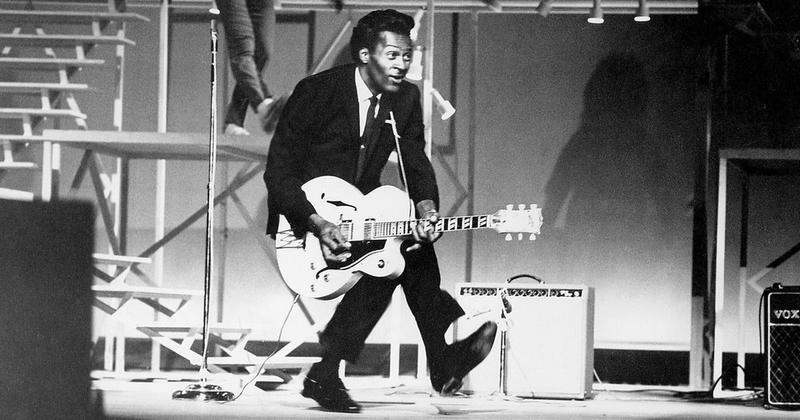
Berry wrote four other songs about his rock and coil persona, 'Johnny B. Goode,' to go on telling stories about becoming a rock star. The name for his persona didn't come out of anywhere, either. Drupe was born at 2520 Goode Artery, and he took further inspiration from his piano histrion, Johnnie Johnson.
Ritchie Valens, "La Bamba" (1958)
Originally a Mexican folk song, Valens added a rock and roll rhythm to the lyrics and turned information technology into an instant crossover hitting. It was the kickoff fully Spanish stone song to perform well on the Billboard charts at the time.
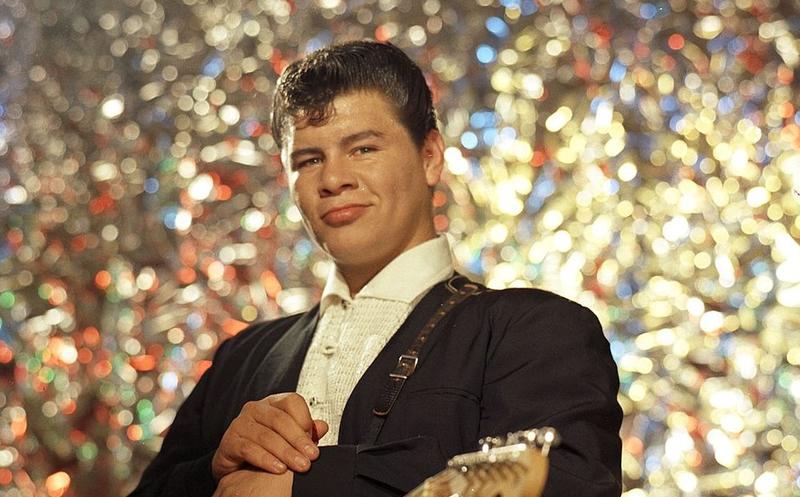
At just 17 years old, Valens was ready for stardom. Unfortunately, on February 3, 1959, Valens, Buddy Holly and J.P. "The Big Bopper" Richardson were killed in a airplane crash. The tragic event later became known as "The Day the Music Died."
Ray Charles, "What'd I Say" (1959)
Widely credited as one of the outset soul songs, "What'd I Say" started out every bit an improvisation during a concert. With a piffling time left during a set, the enthusiastic oversupply encouraged Charles and the band to go along playing (and to tape the excitable free energy).
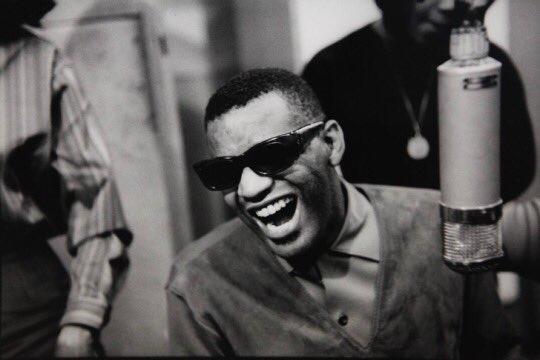
The song's heady blend of gospel, rhumba, rock and rhythm and dejection launched Charles into the mainstream radio stations. Post-obit Little Richard's "Tutti Frutti", it caused major controversy, as the sexual implication in the lyrics of the song's second one-half fabricated it i of the virtually explicit songs on the radio.
Sam Cooke, "A Change is Gonna Come up" (1964)
This powerful vocal written by Cooke was a response to the struggles faced past him and those around him during the Civil Rights Movement. Furious with the way his friends and family were being treated, and after hearing Bob Dylan's "Blowin' in the Wind," Cooke added his take on the injustices towards African Americans.
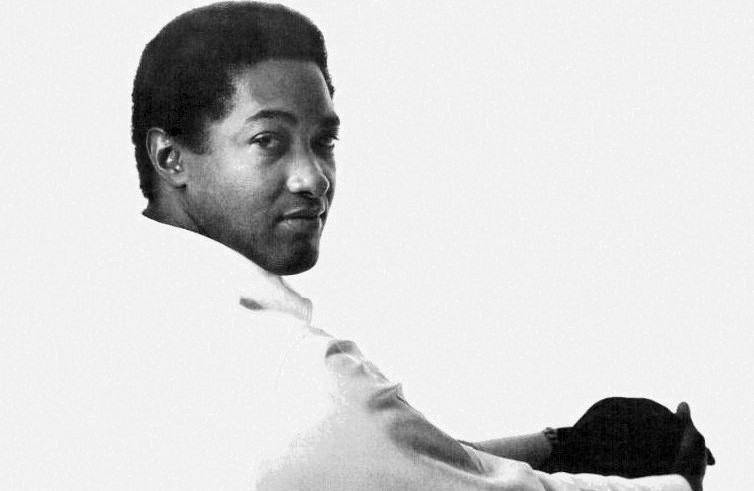
Two weeks earlier the vocal was released, Cooke was shot in the breast and killed at a motel past the motel's manager. She had claimed self-defense, simply information technology was widely disputed. Afterward his decease, the song became fifty-fifty more important to the Civil Rights Motility.
The Beatles, "I Wanna Hold Your Hand" (1964)
After John F. Kennedy's assassination, the state was in a commonage lull. Out of nowhere, Brit-pop phenomenon the Beatles crossed over to the United States with upbeat, positive sounds. The world was ready to feel happy again when The Beatles stepped out on the scene.

The mega-striking "I Wanna Agree Your Paw" was their first No. 1 single on Billboard's Hot 100 nautical chart. The state was nevertheless reeling from the loss of Kennedy, but their infectious hit turned upwards America's commonage energy. When they performed their upbeat music on The Ed Sullivan Show, seventy meg viewers turned in to run across the instant superstars.
The Mamas and The Papas, "California Dreamin'" (1965)
The groovy foursome was a leader in the countercultural movement of the '60s, blending folk and gospel with rock music. "California Dreamin'" was the upbeat vocal that channeled America's commonage longing for modify during a time of revolutionary challenges to the country.
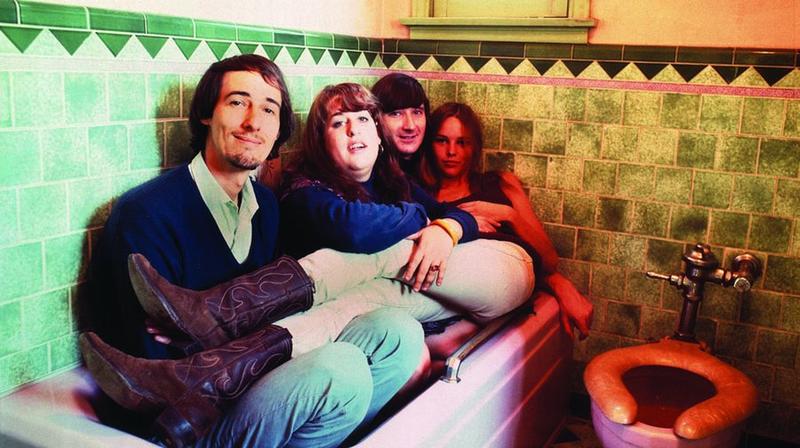
The vocal was emblematic of the struggle to escape the nation's divisive issues. The Vietnam War and the Civil Rights Movement caused divides among families and communities. Merely with lyrics near retreating to sunny and relaxing California, frequently arcadian in embankment music and movies, America barbarous in love with The Mamas and The Papas's new sound.
Aretha Franklin, "Respect" (1967)
When you first hear Franklin's voice on this track, you know you're about to hear a legend sing. Franklin's "Respect" was a landmark vocal for the feminist movement. The empowering command for equality is largely considered to be the best R&B vocal of all time.

Originally written and released by Otis Redding in '65, Franklin's rendition made the song the anthemic classic information technology is today. Its success and powerful message paved the style for countless black female singers to express themselves and command respect in the music industry.
Jefferson Airplane, "White Rabbit" (1967)
This song was the perfect representation of the finish of the innocence of the '60s. The band'due south tongue-in-cheek retelling of the children'southward story Alice in Wonderland mixed with a lot of double entendre made this far-out song an instant archetype.
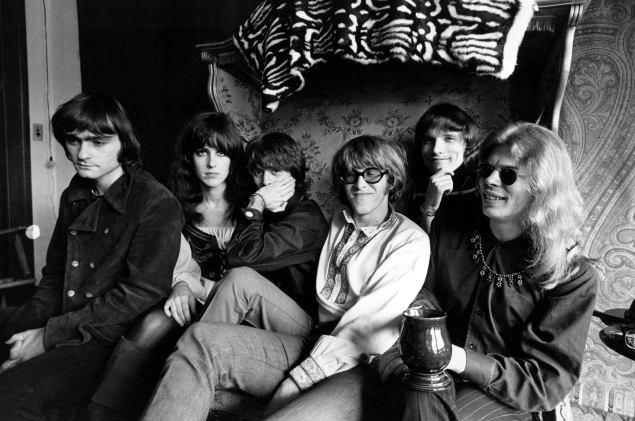
During the late '60s, a disillusioned generation experimented with hallucinogens to escape the threatening Vietnam State of war. When Jefferson Aeroplane released this song, it was the first big radio hit to find a mode to coyly address the growing tendency of using drugs to escape "down the rabbit hole."
David Bowie, "Rebel Insubordinate" (1974)
As punk and arena rock were nevertheless gaining steam, glam rock was a force in the '70s, and Bowie was its fearless leader. Bowie was the start headlining music artist to experiment with personas and gender-bending. Throughout his legendary career, Bowie continued to push boundaries.
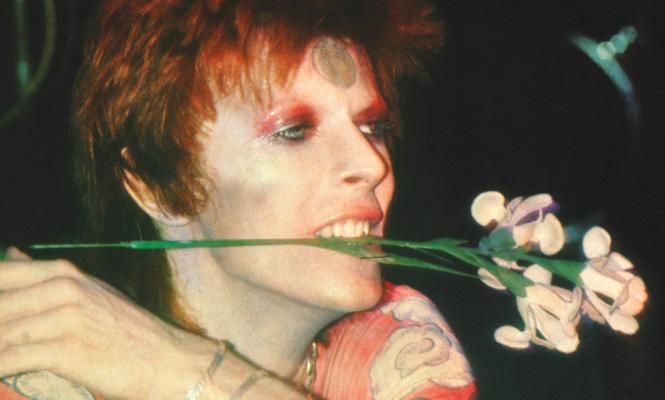
"Insubordinate Rebel" is a standout track that fully encapsulates Bowie'due south rebellious edge. With each of his personas, similar Ziggy Stardust, Aladdin Sane and The Thin White Duke, Bowie incorporated outrageous outfits and sounds to amplify his glamorous music. He likewise paved the way for other gender-bending performers like Grace Jones, Annie Lennox and Marilyn Manson.
Queen, "Bohemian Rhapsody" (1975)
The ballsy stone ballad is one of the highest selling songs ever and perfectly encapsulated the difficult guitar sounds that were popular at the time. Queen was able to distinguish their audio from contemporaries similar Led Zeppelin, Heart, and Pink Floyd with songs like "Maverick Rhapsody".
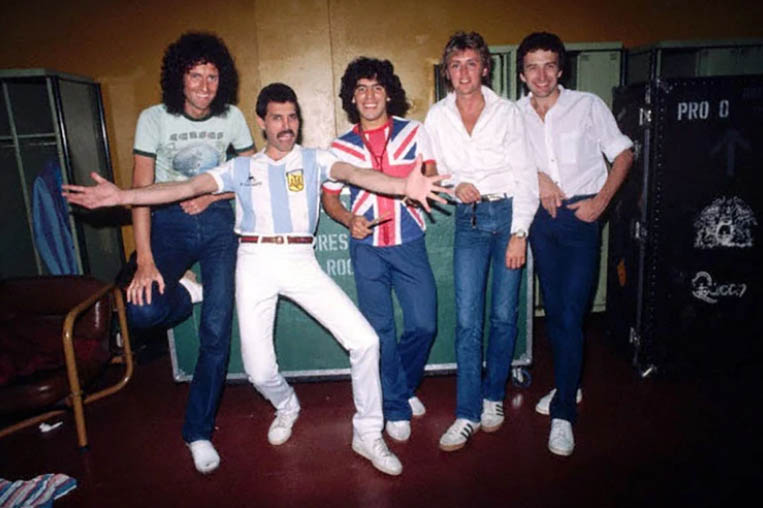
Running simply nether six minutes, the track takes operatic, hard stone and dramatic shifts to elevate it higher up all other rock songs of the decade. We don't need SNL's Wayne's World friends Wayne and Garth to remind u.s.a. how bully the vocal is. But it certainly helped innovate the song to some other generation of instant fans.
Donna Summer, "I Feel Love" (1977)
Summer's "I Feel Love" was one of the most popular songs of the disco era of the '70s. While there are many other songs that are classics from the disco era, the Library of Congress added "I Feel Dear" to the National Recording Registry every bit "culturally, historically, or aesthetically important."
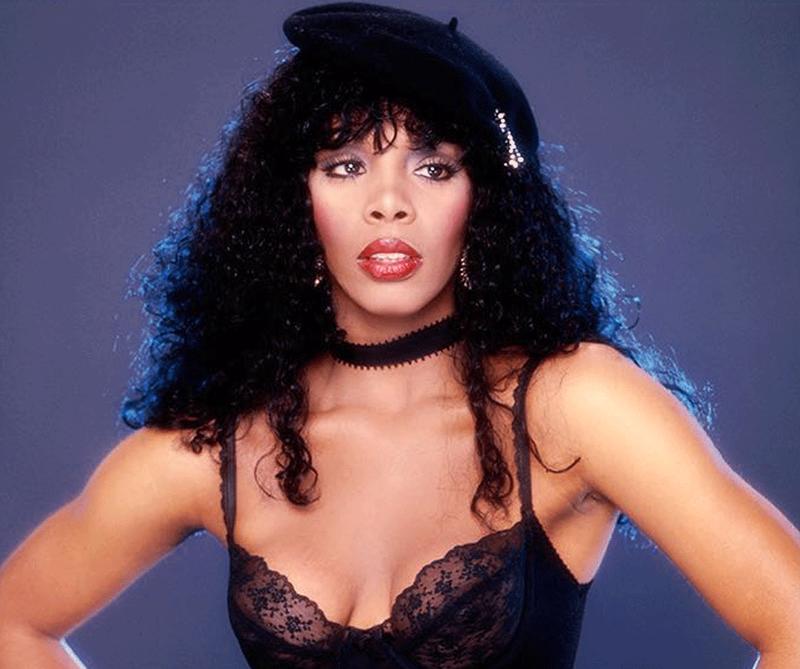
"I Feel Love" is widely credited with originating Due east.D.M. (electronic dance music). While other trip the light fantastic songs were recorded with orchestras, the product team produced the song with a synthesizer. Respected music producer Brian Eno alleged after hearing the song, "Expect no further. This unmarried is going to modify the sound of lodge music for the next fifteen years."
Sex Pistols, "God Salvage The Queen" (1977)
"God Relieve the Queen" is the national anthem of the United Kingdom. The Sex Pistols vocal of the aforementioned name is largely credited every bit the best punk unmarried of all time. It's no surprise they named the song the fashion they did, equally they unapologetically opposed the British Monarchy.
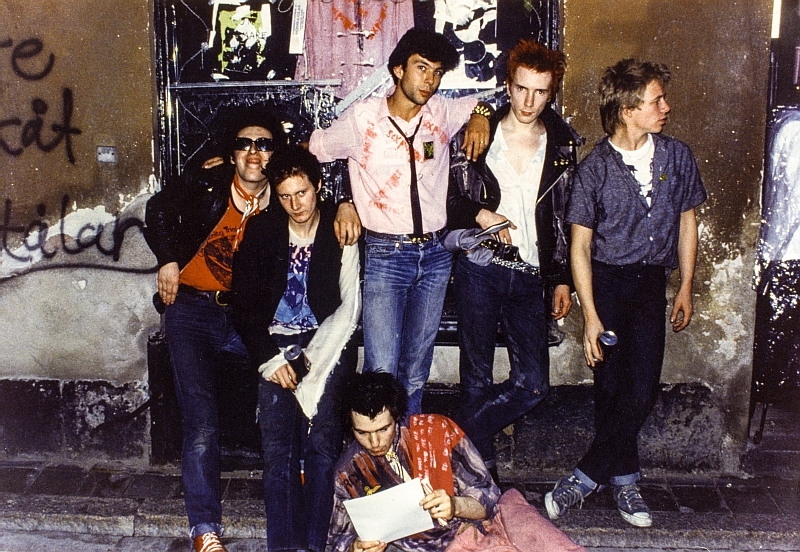
The vocal was a rallying weep to stop the mistreatment of poor and middle-class citizens. Comparing the queen to a "fascist regime" caused the song to be banned and condemned on radio stations, but that only made the demand greater for the punk sound.
Grandmaster Flash and the Furious Five, "The Message" (1982)
"The Message" by Grandmaster Flash and the Furious Five is considered to be ane of the outset rap songs ever fabricated. As rap music was finding its ground, almost early rap songs consisted of boasting about success or a series of party chants.
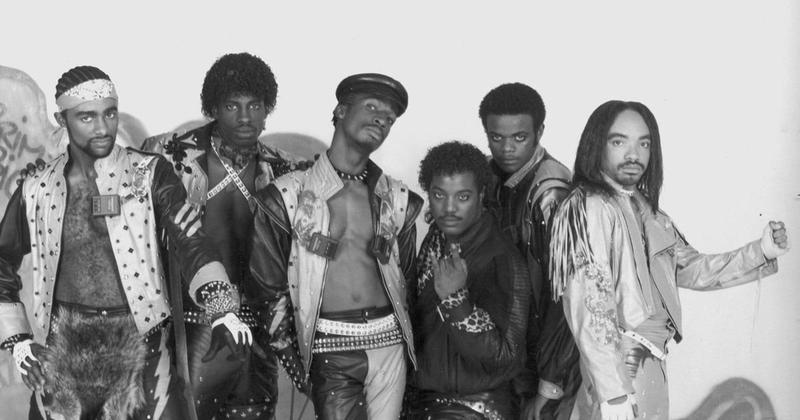
"The Message" stands out for existence the first rap song that told the truth most the struggle of early '80s inner-city life in America. The idea of rapping about daily struggles and injustice was subsequently picked up by legendary rappers including Jay-Z, Notorious B.I.Chiliad. and even Rage Confronting the Automobile.
Michael Jackson, "Billie Jean" (1983)
Afterwards the success of his anthology Off the Wall, Jackson's second single from his follow upwardly anthology Thriller was incredibly successful on the radio too as on the budding MTV network. Information technology was the outset music video of a blackness musician to be aired on rotation on MTV.
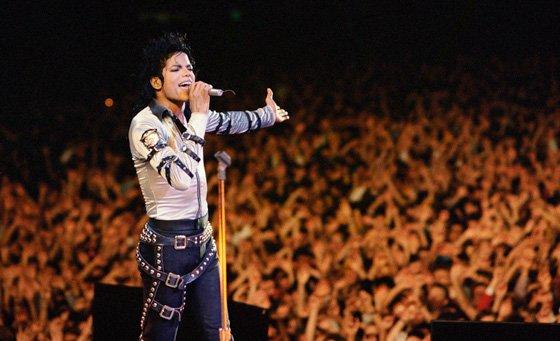
The bass-driven arrangement helped pioneer sleek, post-soul pop music. The vocal became Jackson's best selling solo single, topping the Billboard Hot 100 nautical chart for seven weeks. It also helped Thriller become the greatest selling album of all fourth dimension.
Madonna, "Like a Virgin" (1984)
While Madonna was already known for her upbeat dance music, "Like a Virgin" was the commencement vocal in Madonna's itemize to top the charts. Through frequent album and video releases, Madonna created a whole new kind of female superstar. This song in particular as well launched her career-spanning commitment to blend religion with sexuality.
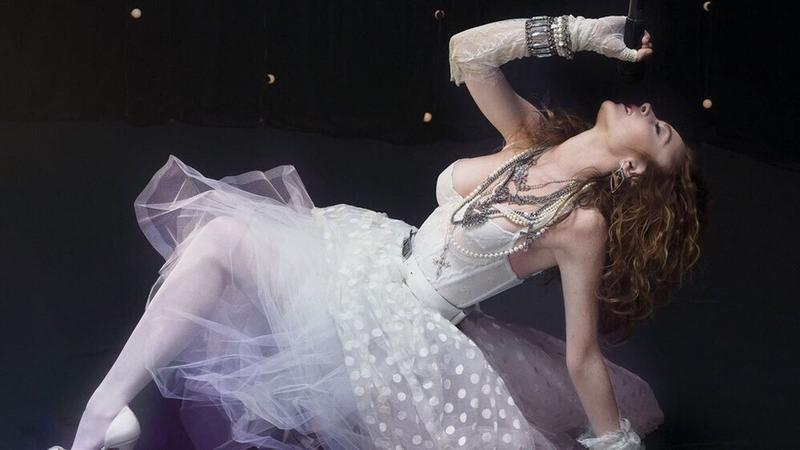
Family and religious organizations were up in arms over the combinations of religious symbolism and virginal wedding attire worn in the unmarried's music video and live performances. Blending popular music with controversy became a recipe for success for the endless female popular singers to follow in her footsteps, earning the title of Madonna-Wannabes.
Prince, "Royal Rain" (1984)
The eponymous picture show, soundtrack, and vocal are the greatest opportunity fans will likely ever have to know the man behind the legend. Purple Rain was the merely movie that Prince starred in but did non direct, only it was notwithstanding his well-nigh revealing artistic moment. Historically, it was the beginning, full-length autobiographical rock musical film to further launch its star's career.
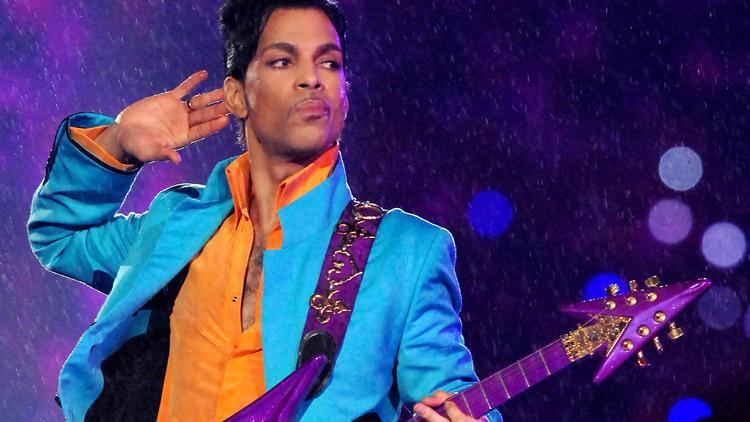
The film's acme moment was the championship rail, which combined gospel, R&B, rock and orchestral music. "Purple Rain" kicked off a new chapter in the world of R&B. The heavy guitar riffs at the commencement and stop made the song more accessible to mainstream stone audiences, and it remains the icon'southward signature song.
Public Enemy, "Fight The Power" (1989)
"Fight the Power" incorporates various samples and references to African American civilization, social injustices, and black church services. The song's lyrics contain revolutionary rhetoric calling the listener to "fight the powers that exist." Information technology became a successful hit that chosen on the black customs to become more than politically active.
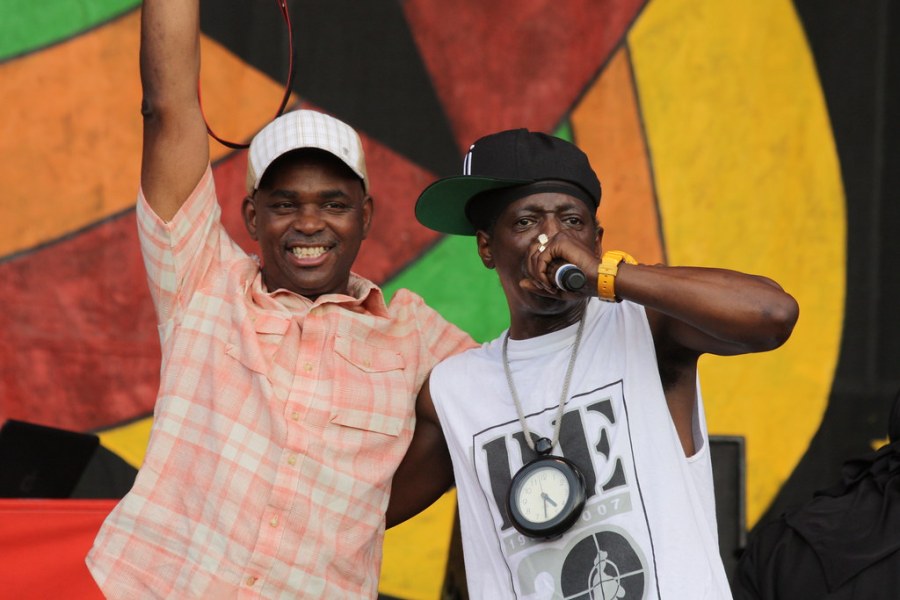
In the song, the group also takes shots at John Wayne and Elvis for non being proper representations of their community. Lyrics similar, "Most of my heroes don't announced on no stamp," helped illustrate the underrepresentation of black success in American history.
Nirvana, "Smells Like Teen Spirit" (1991)
In the late '80s and early on '90s, arena stone was full of instrumental theatrics and big-haired band members. And and so came Nirvana with "Smells Similar Teen Spirit" which is credited equally the first alternative song to cross into mainstream success.

The song and accompanying video brought an cease to the hair metal and stadium rock that dominated the '80s. The grunge movement was born, thanks to the video'due south heavy rotation on MTV, and the popular song became an canticle for blah kids in Generation X.
Whitney Houston, "I Will Ever Love Y'all" (1992)
Houston's cover of Dolly Parton'due south country vocal remains the best-selling single by a woman in music history. Pop music got a taste of gospel with Houston's booming vocalisation and haunting tone. The instantly recognizable carol solidified her as a legend, and The Bodyguard Soundtrack remains one of the nigh successful soundtrack albums of all fourth dimension.
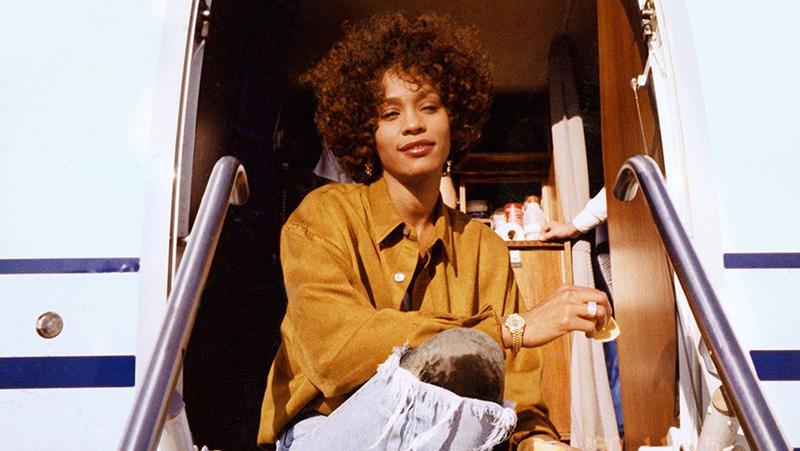
The song spent 14 weeks at number i on the Billboard Hot 100 chart and is one of the best-selling singles of all time. Subsequently Houston's untimely expiry on February. 11, 2012, the vocal topped the US iTunes charts, and the single returned to the Billboard Hot 100 charts at number three.
Pulp, "Common People" (1995)
The Britpop invasion of the mid-nineties consisted of rock bands like Haven, Blur and Radiohead. Their popular songs were frequently either upbeat songs near being rock stars or haunting alt-rock ballads. Only no other song is a better representation of this era and its radical listeners than Pulp's "Common People".
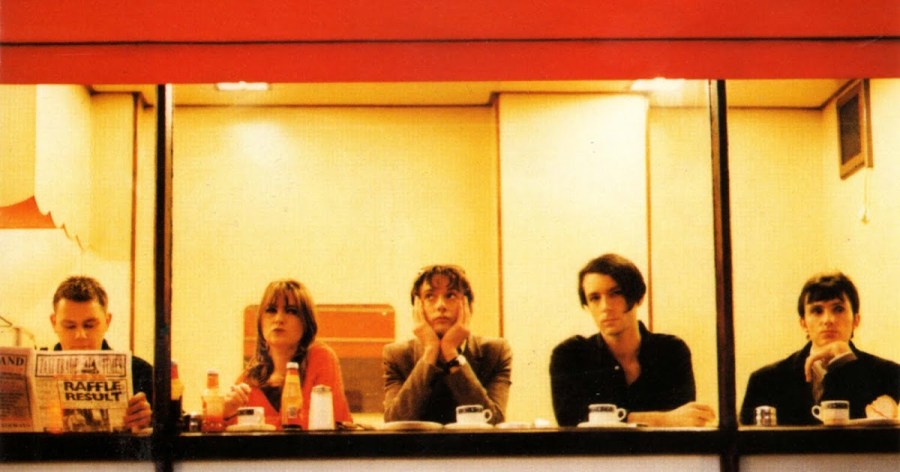
The dance song covered incredibly difficult material that was instantly relatable to a generation of middle to lower-class citizens. By telling the story of a wealthy daughter having fun with a poor male child and hearing her bragging about her financial security, the song became an anthemic standard for the working class effectually the world.
Backstreet Boys, "I Want It That Way" (1999)
At the finish of the '90s, people grew weary of culling/grunge music and wanted to experience happy again. Enter the era of bubblegum popular. Songs near beloved and dancing were all over the radio from musical acts similar The Spice Girls, Ricky Martin, N*Sync and Britney Spears.
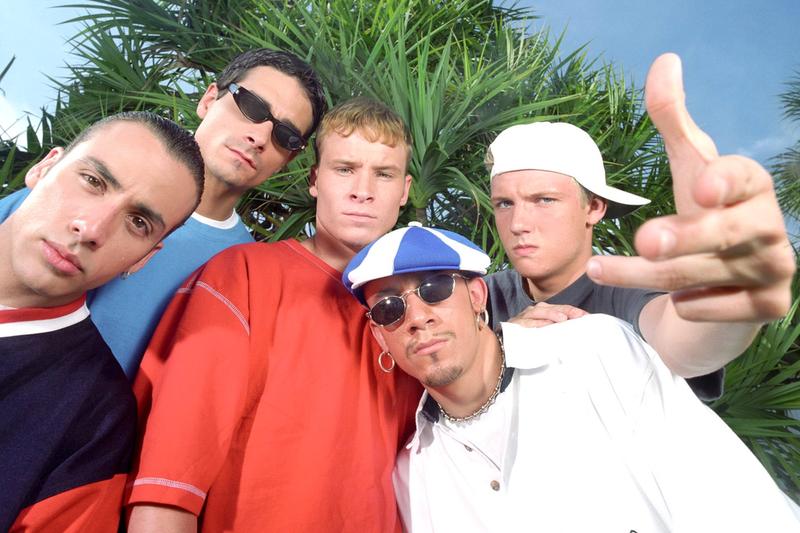
But no other song captures the ethos of bubblegum pop perfection amend than the Backstreet Boys' nigh historic vocal. Record labels carefully crafted together attractive pop stars to dominate the music industry, and these boys were all the rage. Their tricky chorus and shiny music video launched the genre to a global level and topped the charts in 25 countries.
Christina Aguilera, "Beautiful" (2002)
Aguilera's Stripped, the follow up anthology to her bubblegum pop debut, was a sharp contrast to the manufactured, innocent image that many pop stars had at the time. She combined her popular roots with soul, hip hop, metal, rock and scroll, gospel and Latin into her album. After denouncing her manufactured innocence with her outrageous "Dirrty" video, Aguilera was ready to get serious.
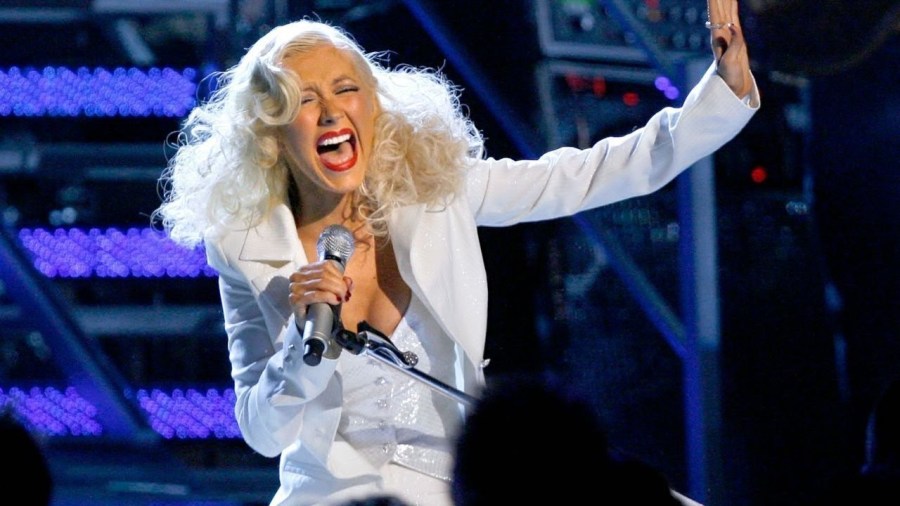
Next, Aguilera released "Beautiful," the ultimate pop song about cocky-empowerment. Its video included imagery of a gay couple kissing in public and a trans woman getting dressed. Both of these visuals were very controversial at the time but made the song an instant LGBTQ anthem. Years afterwards, pop stars like Ariana Grande, Demi Lovato, and Selena Gomez credit Aguilera for inspiring them to sing about female person and LGBTQ empowerment.
Beyonce ft. Jay-Z, "Crazy in Honey" (2003)
This is the song that launched Beyoncé into her own field after leaving Destiny'south Kid. The song, which samples The Chi-Lites's 1970 vocal "Are You lot My Woman (Tell Me And then)", "Crazy in Love" is a gimmicky R&B and pop beloved song that incorporates elements of hip hop, soul, and 1970s-style funk music.
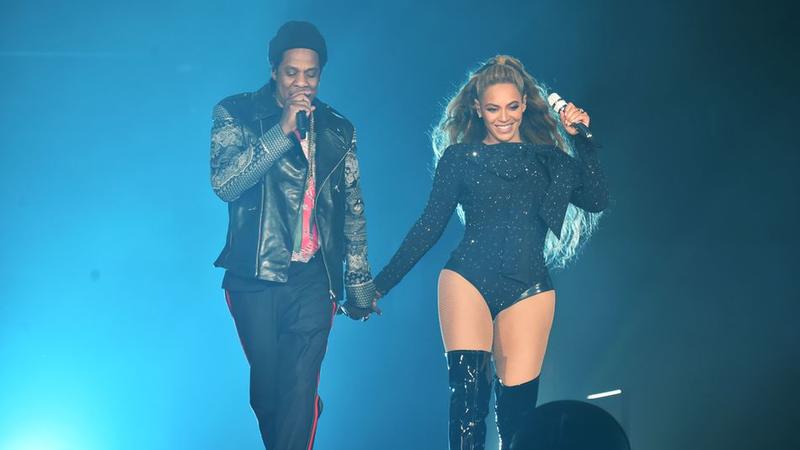
The concept of mixing current production techniques with throwback funk would later get a trend that dominated the new millennium. It certainly helped that legendary rapper Jay-Z added his flow on the song. Lilliputian did we know that they would later become one of the almost powerful musical duos of all time, in large function thanks to their very showtime duet.
Gnarls Barkley, "Crazy" (2006)
"Crazy" is widely credited equally the start universal hit song in the new millennium. Information technology blended pop, rock, hip-hop, culling and many other genres to become i of the most radio-friendly songs across all genres. This is especially impressive because, after the new millennium, the internet gave people the ability to explore genres rarely played on the radio.
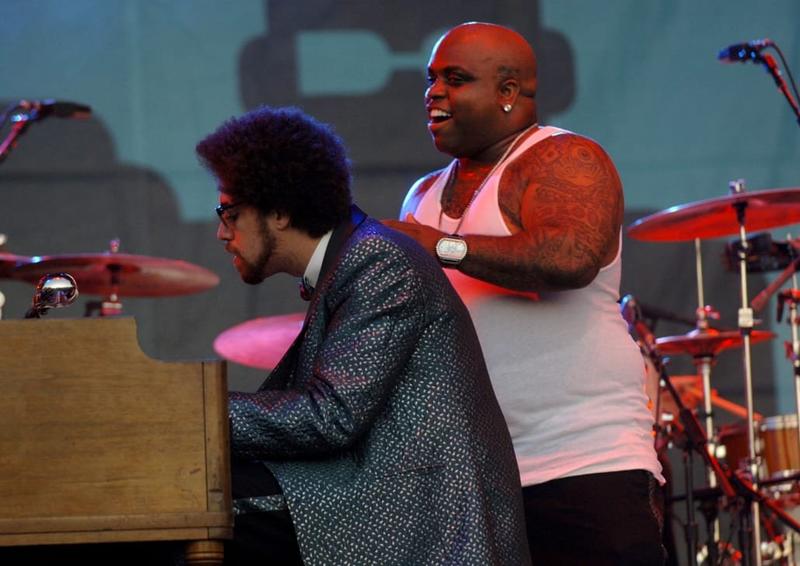
The song too started the tendency of giving more than credit to the producer behind the music. Gnarls Barkley fellow member Danger Mouse became a household proper name along with the duo's vocaliser, Cee Lo Dark-green. In the post-obit years, many more producers and DJs would get top billing when songs were released to the public.
Amy Winehouse, "Rehab" (2006)
At a time when the internet and photographers had the power to extensively rails the lives of celebrities and musicians, Winehouse'south tragic but celebratory song "Rehab" came out. Non only did information technology reintroduce Motown and soul sounds to mainstream radio for years to come up, but it openly addressed the singer'southward personal struggle with drugs and alcohol.
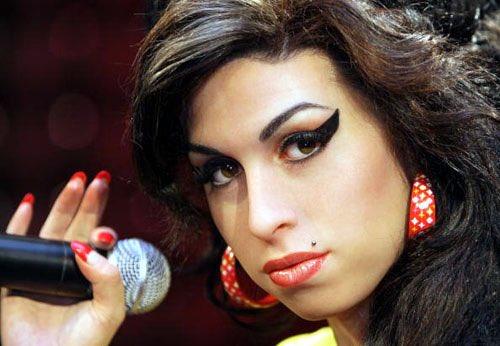
The honesty in her lyrics and tricky chorus made it a worldwide hit at a time when celebrities frequently checked into and out of rehab nether the public heart. Unfortunately for Winehouse, the vocal and her unsafe lifestyle fabricated her vulnerable to the internet tabloids and paparazzi who followed her every troubling turn.
M.I.A., "Newspaper Planes" (2008)
A surprise hit for Sri-Lankan rapper M.I.A, "Paper Planes" received praise for covering subject thing often ignored on mainstream radio stations. The song and accompanying video satirize American perceptions of visa-seeking foreigners and immigrants from Third Earth nations.

With a chorus that includes a children's choir, African rhythms, a sample from The Clash and gunshots, the unconventional vocal gave a vocalism to immigrants and refugees on American airwaves. M.I.A. further helped American airwaves include artists from other countries, helping future civilization-blending artists like ZAYN, BTS and Rosalía.
Kanye West, "Monster" (2010)
This detail track from West's historic Beautiful Night Twisted Fantasy album is notable for corralling as many powerhouses every bit possible onto one song. W included artists from different genres like Jay-Z, Bon Iver, Rick Ross, and introduced the globe to Nicki Minaj.
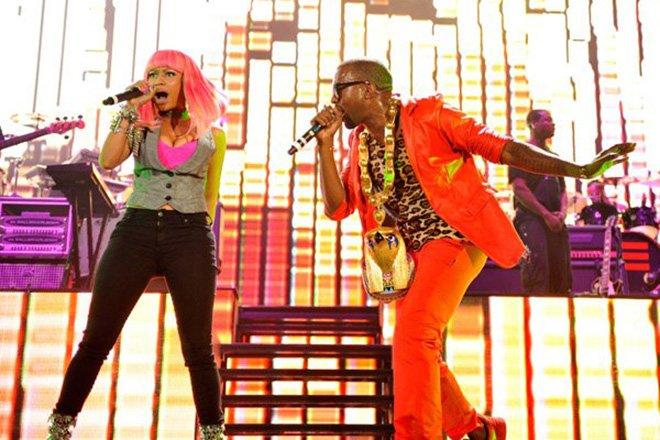
The lyrics and the vocal's accompanying video were controversial at the time for its extensive horror imagery, as well as its treatment of women. However, Minaj'south poetry has become the most iconic from the song, launching her career as the leading voice of female rap for the next decade to follow.
Rihanna featuring Calvin Harris, "Nosotros Found Love" (2011)
Rihanna'southward career was already full of hits that helped bring Caribbean rhythms back onto the charts. Her foray into dance music, still, became a nautical chart-topping representation of the early '10s. In this time period, music producers and DJs gained power and proper noun recognition as E.D.Yard. became more popular.
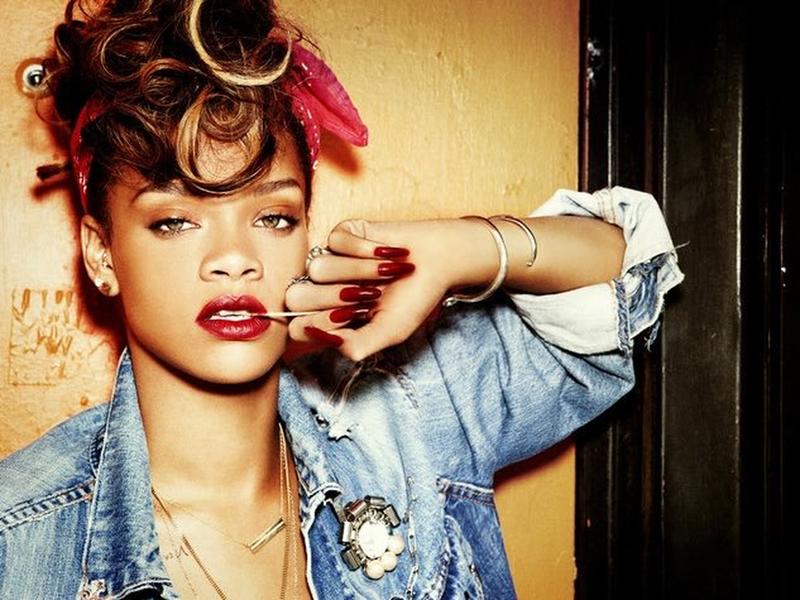
The uptempo, electro-house song that told a tragic beloved story was a mainstay at nightclubs and festivals for years to come. The manufacture took notice, and music producers still try to work with major popular stars to attain like success years later.
Childish Gambino, "This is America" (2018)
Purposeful rap was back in a big style in 2018. Gambino'south rap/gospel song became an instant protestation canticle, roofing gun violence and mass shootings, along with longstanding racism and discrimination confronting African Americans. Gambino brought several rappers into the vocal, including 21 Savage, Immature Thug, Quavo and others.
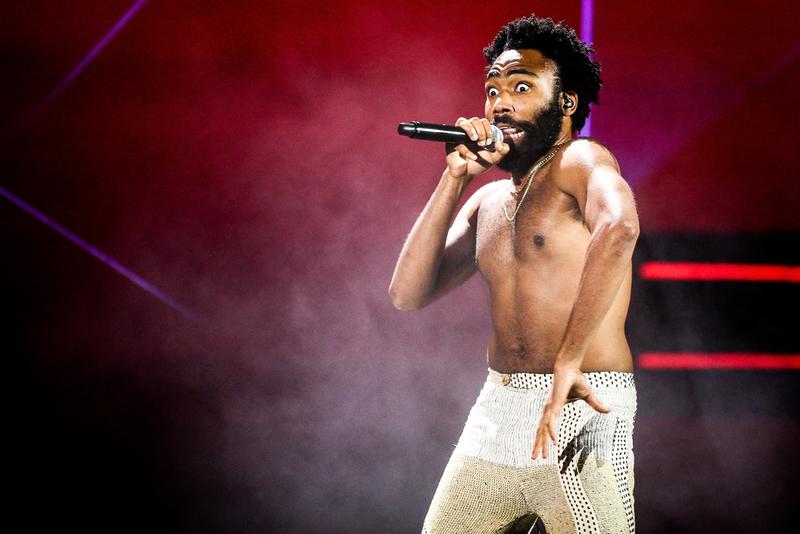
The accompanying video was a series of haunting portrayals of social injustices towards African Americans. The internet spent weeks watching the video, attempting to decode its symbolic imagery. It lead to several thought pieces that tried to brand sense of how the trigger-happy, fast-paced video represented America'southward violent present.
hardestyopeance73.blogspot.com
Source: https://www.ask.com/entertainment/songs-that-changed-music-forever?utm_content=params%3Ao%3D740004%26ad%3DdirN%26qo%3DserpIndex
0 Response to "what non-music industry contributed significantly to the production of cowboy songs?"
Post a Comment